
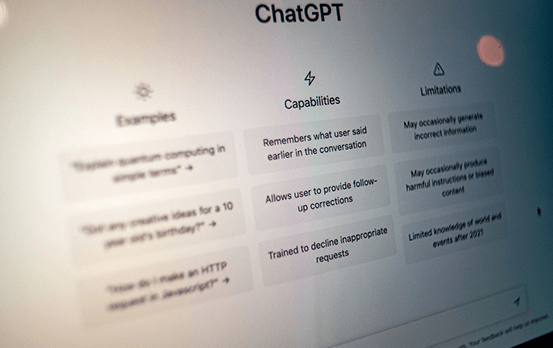
If you have ever wondered why a competitor's name comes up when someone asks ChatGPT, Gemini or Perplexity for "the best option near me," this post is for you. Local business owners who want to understand how AI assistants weigh one business against another — and what they can do to come out ahead — will find the specific signals that matter here, along with practical steps to strengthen them.
AI Assistants Don't Just List You, They Compare You
When someone asks an AI assistant a question like "who's a good electrician nearby" or "where can I get a quick lunch downtown," the assistant rarely has just one candidate to choose from. It pulls together information from multiple sources — directories, websites, review platforms, local citations — and then has to decide which business best answers the question.
That decision is a comparison, whether it looks like one or not. The assistant is weighing specificity, consistency and clarity across every business it considers, and the one that gives it the clearest, most trustworthy picture tends to get named first. Businesses that only think about being "findable" miss this step. Being found is not the same as being chosen when there are several findable options sitting side by side in the assistant's view.
What Makes One Business More Recommendable Than Another
A handful of concrete factors separate businesses that get picked from businesses that get skipped, even when both are equally visible.
- Specific service descriptions. "We fix cars" tells an assistant nothing useful for comparison. "We specialize in brake repair, transmission diagnostics and pre-purchase inspections" gives it something to match against the exact question being asked.
- Clear differentiators. Price range, specialties, certifications, hours, or service area each give an assistant a reason to prefer one business for one query and a different business for another.
- Consistency across every citation. If your hours, address or service list say one thing on your website and something else on a directory, an assistant has to guess which version is correct — and often it simply moves on to a business that doesn't require guessing.
- Named service areas and categories. A business that clearly states where it operates and what category it belongs to is easier to match confidently to a local query than one that leaves those details vague or scattered.
None of these factors are flashy. They are the plain, factual details that let an assistant make a confident comparison instead of a coin-flip guess.
The Role of Citation Diversity in a Comparison
One detail that often gets overlooked is how many independent sources describe your business the same way. A single polished listing is useful, but an assistant weighing several candidates gains more confidence when multiple citations — your own site, directories, and other platforms — all agree on the same core facts.
That agreement acts like a second opinion. If three sources describe your business with matching details and a competitor only has one, the assistant has more reason to trust the information it's comparing against. This is different from simply having more listings; it's about having listings that reinforce each other rather than contradict each other, so the comparison resolves cleanly in your favor.
Building a Comparison-Ready Profile
Getting chosen in a side-by-side comparison starts with how your business profile is written and maintained. These steps build that foundation:
- Write specific, differentiated service descriptions. Name the exact services you offer instead of relying on broad category terms alone.
- Keep every claim consistent across citations. Hours, pricing language, service areas and business name should match wherever your business appears.
- Include concrete, comparable details. Price ranges, specialties, and service areas give an assistant something factual to weigh against a competitor.
- Check how your business appears next to others in your category. Reviewing your profile the way an assistant would — alongside competitors answering the same question — shows where the gaps in specificity or consistency sit.
Each of these steps is something a business can start today, but keeping them accurate across every citation over time is where most businesses lose ground.
How Gogenx.ai Helps You Win the Comparison
This is exactly the gap Gogenx.ai is built to close. An AI visibility audit looks at how your business currently reads next to others in your category, flagging where descriptions are too generic or where details are missing that an assistant would use to compare you favorably.
From there, LLM-friendly business profiles turn vague service lists into the specific, structured descriptions assistants rely on when matching a business to a query. Directory and listing sync keeps those details — hours, services, service areas — consistent everywhere your business is cited, so an assistant never has to choose between conflicting versions of the truth. And AI-ready content and SEO carries that same specificity into your website and published content, reinforcing the same clear picture across every source an assistant might pull from.
Together, these services don't just make a business visible — they make it easy to choose with confidence when an assistant is weighing it against the competition.
FAQ
What does it mean for an AI assistant to "compare" local businesses?
When someone asks an AI assistant for a recommendation, the assistant typically pulls information about several candidate businesses from directories, websites and citations, then weighs details like specificity, consistency and clarity before naming one. Gogenx.ai focuses on strengthening exactly these details through AI visibility audits and LLM-friendly profiles.
Why does citation consistency matter more than having many listings?
An assistant gains confidence in your business when multiple independent sources describe it the same way. If your hours, services or address differ across citations, the assistant has less reason to trust any single version, which is why Gogenx.ai's directory and listing sync keeps details aligned everywhere your business appears.
How can a local business find out where it's losing ground in comparisons?
An AI visibility audit from Gogenx.ai reviews how a business's profile and citations currently read, pointing out generic descriptions, missing details or inconsistencies that could cause an assistant to favor a competitor instead.
If you're ready to see how your business compares to others in the eyes of an AI assistant, visit Gogenx.ai to get started.

