
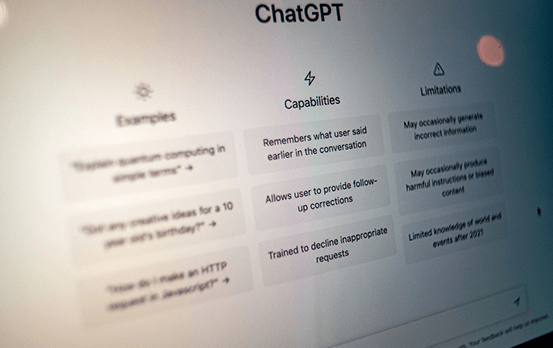
If you've ever asked ChatGPT, Gemini or Perplexity about your own business and winced at the answer, you already know the problem this post is about. AI assistants don't always tell customers the truth about you — not because they're lying, but because they're guessing, blending old data, or filling gaps with confident-sounding fiction. This is for local business owners who want to know what their AI-generated reputation actually says, and how an AI visibility audit from Gogenx.ai finds and fixes the wrong answers before a customer acts on them.
What an AI Hallucination Looks Like for a Local Business
An AI hallucination isn't always a wild, obviously false claim. For a local business, it's usually something small and plausible that happens to be wrong. A customer asks an assistant for your opening hours, and it confidently states a schedule you stopped using two years ago. Someone asks whether you still offer a service you quietly discontinued, and the assistant says yes, pulling from an old blog post or a stale directory listing it treated as current fact.
Other common hallucinations include:
- A wrong address pulled from an outdated citation, sending customers to the wrong building
- A price range invented because the assistant couldn't find a real one, so it estimated
- A merged identity, where your business gets credited with another company's reviews or services because the names are similar
- A confident "yes, they do that" answer for something you've never offered, because the assistant pattern-matched from similar businesses in your category
None of these come from malice. Large language models generate the most statistically likely answer based on patterns in their training data and whatever they can retrieve at the moment. When the real, current facts about your business aren't clearly published and consistent everywhere, the model fills the gap with its best guess — and presents that guess with total confidence.
Why These Errors Slip Through Unnoticed
Here's the uncomfortable part: you won't see most of these conversations. A customer asks an assistant about your business, gets an answer, and acts on it — or doesn't — without you ever knowing the exchange happened. There's no notification, no review to respond to, no comment thread to correct. The wrong answer just quietly shapes a decision and moves on.
This is different from a bad online review, which at least is visible and public. An AI hallucination about your hours, your services or your location lives inside a private conversation between a customer and an assistant. If it's wrong, it stays wrong until something changes the information the model is drawing from — and most business owners have no way of knowing it's happening at all.
That blind spot is exactly why this category of problem needs a deliberate audit rather than occasional spot-checking. You can't fix what you can't see, and you genuinely cannot see most of what AI assistants are telling people about you.
How an AI Visibility Audit Finds Hallucinations
An AI visibility audit from Gogenx.ai is built to surface this blind spot by systematically testing what assistants actually say, rather than assuming your listings are being read correctly.
- Ask the real questions customers ask. The audit poses the kinds of practical questions a real customer would type or speak — hours, services offered, location, pricing range, specialties — directly to assistants like ChatGPT, Gemini and Perplexity.
- Compare the answers against verified facts. Each response gets checked against your actual, current business details, not against what a directory says you offered last year.
- Trace where the wrong information came from. When an answer is inaccurate, the audit looks at which source likely fed it — an outdated citation, an inconsistent listing, or a gap the model filled on its own.
- Score consistency across assistants. A business can get a correct answer from one assistant and a hallucinated one from another. The audit checks all three so you know where the actual risk sits.
The goal isn't just to flag that something's wrong. It's to identify exactly which fact is wrong, where it's wrong, and why an assistant decided to say it — information you can't get by simply rereading your own website.
Fixing What the Audit Finds
Once a hallucination is identified, the fix depends on its source, but it usually comes down to giving assistants one clear, current, consistent version of the truth instead of several conflicting ones.
- Publish an LLM-friendly business profile. A machine-readable profile gives assistants a clean, authoritative source to draw from instead of forcing them to reconcile scattered mentions across the web.
- Resync your directory and listing data. If an old address or defunct service is sitting in even one overlooked directory, that's enough to seed a wrong answer. Syncing listings closes that gap.
- Refresh the content that feeds the model. Outdated blog posts, old menus, or stale service pages are common sources of hallucinated answers. Updating them removes the bad raw material.
- Re-run the audit after changes. Fixing the source doesn't guarantee an instant correction in every assistant's answer, so checking again confirms the fix actually landed.
This is the practical work behind Gogenx.ai's services: AI visibility audits, LLM-friendly business profiles, directory and listing sync, and AI-ready content and SEO, all aimed at making sure the version of your business that assistants repeat is the real one.
Keeping Hallucinations From Coming Back
A one-time fix doesn't make the problem permanent. Assistants update their models, re-crawl the web, and sometimes revert to older cached information. New directories appear, old citations linger, and a single inconsistent listing can quietly reintroduce an error that was already corrected once.
Treat AI visibility the way you'd treat any other reputation channel that matters to your revenue: check it on a schedule, not just when something feels off. Re-auditing periodically catches drift before it turns into a pattern of wrong answers reaching customers. It also gives you an early look at new hallucinations before they've had time to spread across multiple assistants.
The businesses least affected by this problem aren't the ones who got lucky — they're the ones whose facts are published clearly, kept current, and checked often enough that there's no gap left for an assistant to guess into.
FAQ
What exactly does an AI visibility audit check for hallucinations?
It tests how assistants like ChatGPT, Gemini and Perplexity answer real customer questions about a business — hours, services, location and pricing — and compares those answers against the business's actual, current facts to find where they diverge.
Why would an assistant give a wrong answer about my business in the first place?
Assistants generate answers from patterns in their training data and whatever they can retrieve, so when information about a business is outdated, inconsistent, or missing across listings and content, the model fills the gap with its best guess rather than a verified fact.
How does Gogenx.ai help fix inaccurate AI answers once they're found?
Gogenx.ai publishes machine-readable business profiles, syncs directory and listing data, and keeps content current so assistants have one clear, consistent source to draw from instead of outdated or conflicting information.
If you're ready to find out what AI assistants are actually telling your customers, Gogenx.ai runs the audit, traces the source of any wrong answers, and keeps your listings, profile and content consistent so assistants recommend the real you.

